
How a Clear Understanding of Teen Patti Rules Can Influence Betting Strategies
In the vibrant landscape of Indian gaming, Teen Patti stands as a cornerstone of social and strategic interaction. Often dubbed “Indian Poker,” it is a game where the psychological interplay between players is just as critical as the cards dealt. Success on the digital felt or at a physical table isn’t merely a result of luck; it is a calculated dance of risk and reward. For those looking to move beyond casual play, the secret lies in how deeply one can synthesize the mechanics of the game with a fluid betting approach that keeps opponents guessing.
Decoding the Hierarchy for Smarter Bets
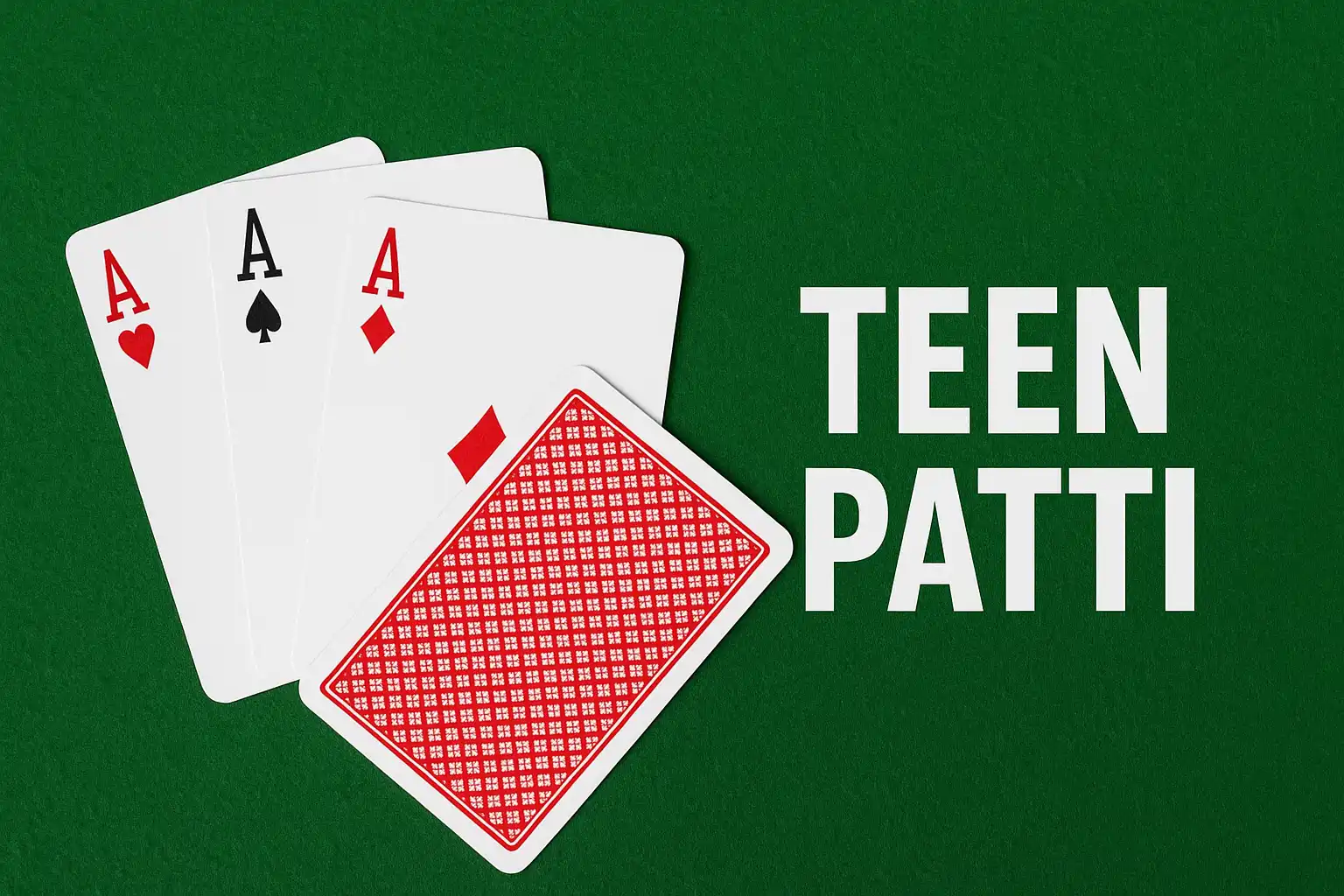
Mastery of the game begins with a clinical understanding of hand rankings and their mathematical probabilities. Every decision to call or raise is anchored in how your current three-card holding stacks up against the statistical field. A profound grasp of teen patti rules allows a player to distinguish between a “Pure Sequence” that demands aggressive value-betting and a simple “Colour” that might require a more defensive, observational stance. When you recognize that a “Trail” of Aces is the ultimate power move, you can structure your betting rhythm to trap overconfident opponents who might be holding high pairs but lack the winning edge.
Beyond the cards themselves, the strategic gravity of the game is defined by the choice between playing “Blind” or “Seen.” Choosing to remain “Blind” allows you to enter the pot at half the cost of those who have already looked at their cards, creating a significant mathematical leverage. This rule-based mechanic transforms the betting flow into a psychological weapon. By staying blind longer, you force “Seen” players to double their stakes just to stay in the hand, often inducing them to fold potentially stronger hands out of fear or poor pot-odds management.

Psychological Pressure and Bankroll Discipline
At its core, professional Teen Patti is an exercise in reading human behavior and manipulating table dynamics. High-level betting strategies often involve “bluffing from a position of strength,” where a player uses consistent, confident raises to signal a top-tier hand. Understanding the nuances of “Side-shows” and the conditions under which they can be requested or denied adds another layer to this strategy. An expert player knows exactly when to push the limits of the pot to test an opponent’s resolve, turning a mediocre hand into a winning one through sheer dominance and tactical timing.
Ultimately, the most sophisticated strategy is worthless without the discipline of bankroll management. The high-speed nature of the game means that fortunes can shift in a single round, making it essential to set strict loss limits and profit targets. True professionals avoid the trap of “chasing” losses with emotional, oversized bets. Instead, they rely on a steady, calculated approach, ensuring they have the capital to capitalize when a rare “Pure Sequence” or “Trail” finally appears. In the end, it is this balance of rule-based logic and emotional control that separates the masters from the amateurs.